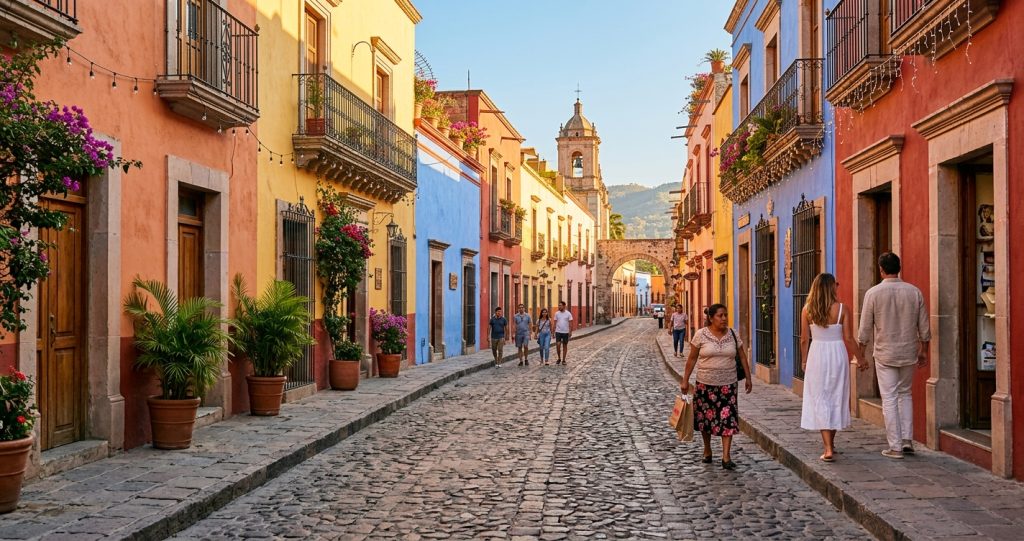

Mexico welcomes more than 40 million international visitors every year, and hundreds of thousands of Americans and Canadians now call the country home. Still, one question comes up again and again: which parts of Mexico are actually safe?
The truth is that Mexico isn’t one uniform destination safety varies dramatically from city to city, and even from neighborhood to neighborhood within the same city. Some regions battle real security concerns, while others are calmer and better policed than many major U.S. cities. This guide breaks down the safest cities in Mexico, whether you’re planning a vacation or considering a long-term move, so you can choose your destination with confidence.
Is Mexico Safe Right Now?
Mexico’s overall safety picture is more nuanced than headlines suggest. While certain border cities and cartel-affected regions do carry real risk, the country’s most popular tourist and expat destinations — the Yucatán Peninsula, the colonial highlands, and much of the Pacific coast see very little violent crime directed at visitors or residents.
Most safety incidents involving foreigners in Mexico are opportunistic petty crimes, like phone snatching or overpriced taxi rides, rather than violent crime. Millions of trouble-free trips and long-term stays happen every year, and Mexico’s tourism-dependent economy gives local governments a strong incentive to keep visitor-heavy areas secure.
That said, safety isn’t uniform, so it’s worth understanding which cities consistently rank as the safest before you book a flight or a moving truck.
The Safest Cities in Mexico (Quick List)
Based on official crime data, tourism infrastructure, and long-term feedback from travelers and expats, these cities consistently rank among the safest in Mexico:
- Mérida, Yucatán
- Querétaro, Querétaro
- San Miguel de Allende, Guanajuato
- Campeche, Campeche
- Puerto Vallarta, Jalisco
- Playa del Carmen, Quintana Roo
- La Paz, Baja California Sur
- Huatulco, Oaxaca
- Oaxaca City, Oaxaca
- Morelia, Michoacán
Below, we’ll look at what makes each of these cities stand out — and who they’re best suited for.
Mérida, Yucatán The Safest City in Mexico
Mérida is consistently ranked as the safest city in Mexico, both for tourists and for long-term residents. Its low crime rate is helped by its distance from northern smuggling routes, a strong local economy, and a culture that places a high value on community and family life.
The historic center is walkable, colonial, and packed with markets, museums, and restaurants, while modern conveniences like malls, private hospitals, and reliable internet make it a favorite for retirees and remote workers. The main downside is climate — Mérida is hot and humid most of the year, so air conditioning is essential.
Best for: Retirees, families, remote workers who want a walkable colonial city with modern comforts.
Read more trevallura
Querétaro, Querétaro Safe, Organized, and Family-Friendly
Querétaro regularly ranks among the top five safest cities in Mexico. It’s known for clean, orderly streets, strong public investment, and a growing middle class. The city has attracted many residents relocating from Mexico City in search of lower costs and less congestion.
Its UNESCO-listed historic center offers colonial architecture and cultural attractions, while newer parts of the city provide shopping malls, hospitals, and easy highway access to other central Mexican cities.
Best for: Families, professionals, and anyone who wants a safe, organized city close to Mexico City and San Miguel de Allende.
San Miguel de Allende, Guanajuato A Safe Arts and Culture Hub
San Miguel de Allende is a UNESCO World Heritage city with one of the largest and longest-established expat communities in Mexico. Most safety concerns here involve petty theft or late-night incidents rather than violent crime, and the city center is comfortable to walk through during the day and early evening.
The town is known for art galleries, language schools, live music, and a packed festival calendar. Affordability has become the main trade-off, as rising demand has pushed up rents near the historic core.
Best for: Retirees, artists, and travelers who want culture, community, and walkability.
Campeche, Campeche A Walled Colonial City With Falling Crime Rates
Campeche’s walled colonial center is one of the most secure tourist zones in the country, with a heavy, visible police presence and a crime rate that has dropped sharply in recent years. This UNESCO World Heritage city offers pastel-colored buildings, a waterfront promenade, and easy access to Maya ruins like Calakmul.
Outside the historic core, the city is calm and residential, though travel to remote archaeological sites should be done in daylight or with a guide.
Best for: History lovers who want an authentic, less-crowded alternative to Cancún or Mérida.
Puerto Vallarta, Jalisco Mexico’s Safest Beach Town
Puerto Vallarta is often cited as the safest beach destination in Mexico, with a large, well-established expat and LGBTQ+-friendly community. The Romantic Zone, Marina Vallarta, and Nuevo Vallarta are the most popular long-term neighborhoods, and the tourist zones benefit from visible police presence.
As with most resort cities, petty theft is the main concern in crowded areas, and it’s best to use rideshare apps or hotel-arranged taxis at night rather than hailing cabs off the street.
Best for: Beach lovers, LGBTQ+ travelers, and anyone who wants an established, walkable resort city.
Playa del Carmen, Quintana Roo A Safe Caribbean Hub (With Caveats)
Playa del Carmen has grown quickly into a hub for digital nomads and young families, thanks to walkable beach access, coworking spaces, and proximity to Tulum, Cozumel, and Cancún. Central areas like Quinta Avenida and Playacar are generally comfortable, but safety here is highly neighborhood-dependent.
Pickpocketing and scams targeting distracted tourists are common in the busiest tourist strips, so staying alert in crowds is important, especially at night.
Best for: Digital nomads and young families who want Caribbean beaches with strong infrastructure.
La Paz, Baja California Sur A Quiet Alternative to Los Cabos
La Paz offers a slower, more residential pace than nearby Los Cabos, with a scenic bayfront malecón and easy access to some of Mexico’s most beautiful beaches. Violent crime is relatively low compared to many larger Mexican cities, and the surrounding region benefits from strong public-private security coordination tied to the tourism industry.
Best for: Retirees and nature lovers who want coastal living without a heavy resort atmosphere.
Huatulco, Oaxaca An Under-the-Radar Safe Beach Destination
Huatulco’s nine bays and 36 beaches remain relatively undiscovered compared to other Pacific coast destinations, and its all-inclusive resort model keeps the tourist economy largely self-contained. The town center, La Crucecita, is small, walkable, and low-crime, while the resort bays themselves are tightly secured.
Best for: Eco-tourism, quiet beach vacations, and travelers who want to avoid crowds.
Oaxaca City, Oaxaca Culture, Food, and Strong Safety Gains
Oaxaca City has seen one of the largest year-over-year drops in reported incidents of any major Mexican city, driven partly by a tourism economy that depends heavily on visitor safety. The historic center around Alcalá is compact, walkable, and well-policed, making it one of the best cities in Mexico for food and culture.
Best for: Foodies, artists, and culture-focused travelers who want an authentic city experience.
Morelia, Michoacán A Safe Colonial Surprise
Despite Michoacán state’s reputation for security issues, Morelia’s urban core maintains a crime rate well below the national average. The city’s cathedral, aqueduct, and historic center are safe, walkable, and full of colonial architecture, and it’s a popular jumping-off point for visiting the Monarch butterfly reserves.
Best for: History buffs and travelers who want an authentic Mexican city away from major tourist crowds.
Safest Cities in Mexico for Tourists vs. Safest Places to Live
It’s worth noting that “safest for a week-long vacation” and “safest place to live long-term” aren’t always the same list. Tourist-focused rankings tend to favor resort towns and walled colonial centers with heavy tourism investment, while long-term expat rankings put more weight on healthcare access, cost of living, community, and daily quality of life.
In practice, cities like Mérida, Querétaro, and San Miguel de Allende show up on both lists, since they combine low crime with strong infrastructure for residents. Beach towns like Puerto Vallarta, Playa del Carmen, and Huatulco tend to rank higher for vacationers, while interior cities often edge ahead for long-term living.
What Makes These Cities Safer Than Others in Mexico
A few common factors separate Mexico’s safest cities from higher-risk areas:
- Distance from major smuggling routes. Cities far from border regions and cartel transit corridors tend to see far less organized crime.
- Tourism-dependent economies. Local governments in tourism hubs have a direct financial incentive to keep visitors safe.
- Established expat and international communities. These often come with bilingual services, neighborhood watch groups, and better access to information.
- Visible policing and infrastructure investment. Tourist police units, surveillance cameras, and well-lit streets all correlate with lower petty crime.
- Geographic isolation. Coastal resort towns and interior colonial cities are often physically separated from higher-crime industrial or border zones.
Common Safety Risks to Know About (Even in Safe Cities)
Even in Mexico’s safest cities, a few risks show up repeatedly:
- ATM and card skimming, especially at standalone machines and convenience stores. Use ATMs inside bank branches when possible.
- Taxi overcharging or long-route scams. Use rideshare apps or hotel-arranged taxis instead of hailing cabs on the street.
- Petty theft in crowded tourist areas, such as pickpocketing on busy streets or beaches.
- Restaurant and bar billing scams, including inflated tabs for foreigners. Always check your bill before paying.
- Highway risks after dark, particularly on rural roads connecting smaller cities. Toll roads (marked with a “D”) are generally safer than free roads for long drives.
Practical Safety Tips for Visiting or Living in Mexico
- Use registered taxis or rideshare apps rather than hailing taxis on the street.
- Stick to toll roads and avoid driving at night between cities.
- Keep valuables out of sight and stay aware of your surroundings in crowds.
- Register your trip with your embassy if you’re staying long-term.
- Learn a few basic Spanish phrases — it lowers your profile as an easy target.
- Save Mexico’s national emergency number (911) and the tourist assistance line (078) in your phone.
- If relocating, rent for six to twelve months before buying property, and visit neighborhoods at different times of day.
Frequently Asked Questions
What is the safest city in Mexico?
Mérida, Yucatán is widely considered the safest city in Mexico, both for tourists and long-term residents, thanks to low crime rates and a strong local economy.
What are the safest places to live in Mexico for Americans?
Mérida, Querétaro, San Miguel de Allende, Puerto Vallarta, and Lake Chapala/Ajijic are among the most popular safe destinations for American expats and retirees.
Is it safe to travel to Mexico right now?
Yes, with preparation. Millions of trouble-free trips happen every year, especially in well-established tourist destinations like the Yucatán Peninsula, Mexico City’s central neighborhoods, and the Pacific coast resort towns.
What part of Mexico is safest for tourists?
The Yucatán Peninsula (Mérida, Valladolid, Campeche) and the colonial interior (San Miguel de Allende, Querétaro, Oaxaca) consistently rank as the safest regions, along with major Pacific coast resort zones.
Are there cities in Mexico that should be avoided?
Certain border cities and areas with active cartel territorial disputes carry significantly higher risk and are generally not recommended for tourism. Sticking to well-established tourist and expat destinations dramatically reduces risk.
Conclusion
Mexico is a large, diverse country, and painting the entire nation with one safety label misses the real picture. Cities like Mérida, Querétaro, San Miguel de Allende, and Puerto Vallarta consistently prove that safe, comfortable travel and living are possible often safer than many major U.S. cities. Whether you’re planning a two-week vacation or a permanent move, choosing the right city (and the right neighborhood within it) makes all the difference. Do your research, talk to people who’ve actually lived there, and you’ll find that Mexico’s safest cities offer an experience that’s every bit as secure as it is unforgettable.
You may also like