
Sometimes it feels like technology is moving faster than we can understand it. Students, professionals, and even teachers often feel confused trying to keep up with new tools, updates, and digital learning methods. That is why topics like Digital Learning are becoming more important, especially with rising interest in droven io tech education trends, droven io cybersecurity updates, and even droven.io machine learning trends that shape the future of learning.
In this blog, you will get simple and useful insights about Tech Education and how it connects with modern innovation. We will also talk about updates like droven.io new gadgets 2026, smart learning tools, and the latest digital trends that matter most. This guide will help you understand everything clearly so you can stay informed and move forward with confidence.
The Changing Face of Education
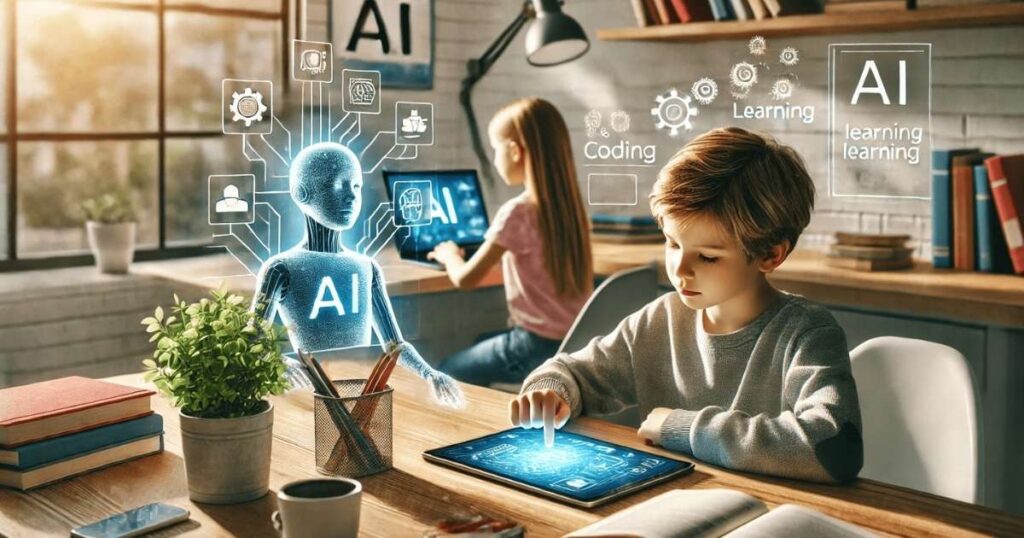
The changing face of education shows how Tech Education is transforming learning through digital platforms, AI tools, and modern learning systems. Education is no longer limited to classrooms, as students now learn in more flexible and technology-driven ways.
With the rise of smart education systems and online education, learning has become more interactive and accessible. However, this shift also brings challenges like unequal access, digital skill gaps, and the need for proper training in new technologies.
The interpretation may vary depending on the situation:
Digital Learning Expansion
Education is rapidly moving toward online education and virtual learning experiences. This improves flexibility, but students in rural areas may still face issues like poor internet access and lack of devices.
Role of Artificial Intelligence
AI-powered learning tools support personalized learning and improve student performance. However, over-dependence on automation can reduce human interaction in teaching and learning.
Hybrid Classroom Models
Hybrid classrooms combine traditional teaching with digital learning platforms. They offer more flexibility, but they require strong infrastructure and trained educators to manage effectively.
Student Engagement and Interaction
Interactive learning tools help increase student engagement and improve knowledge retention. Still, not all subjects adapt well to fully digital learning methods.
Data and Learning Outcomes
Data-driven education uses educational analytics to improve learning outcomes. However, concerns about data privacy and cybersecurity in digital systems must be carefully managed.
Read More ; Latest Tech Info at Beaconsoft: Smart Business Revolution
The Rise of Personalized Learning
The rise of personalized learning is changing modern Digital Learning by focusing on each student’s unique needs. It uses digital learning platforms and AI-powered learning tools to adjust lessons based on ability, speed, and interest. This makes learning more flexible and effective for students.
Personalized learning helps improve student performance and learning outcomes by giving targeted support. It also makes education more engaging and less stressful. However, it needs strong technology systems and proper guidance from teachers to work effectively in real classrooms.
Technology as a Learning Companion
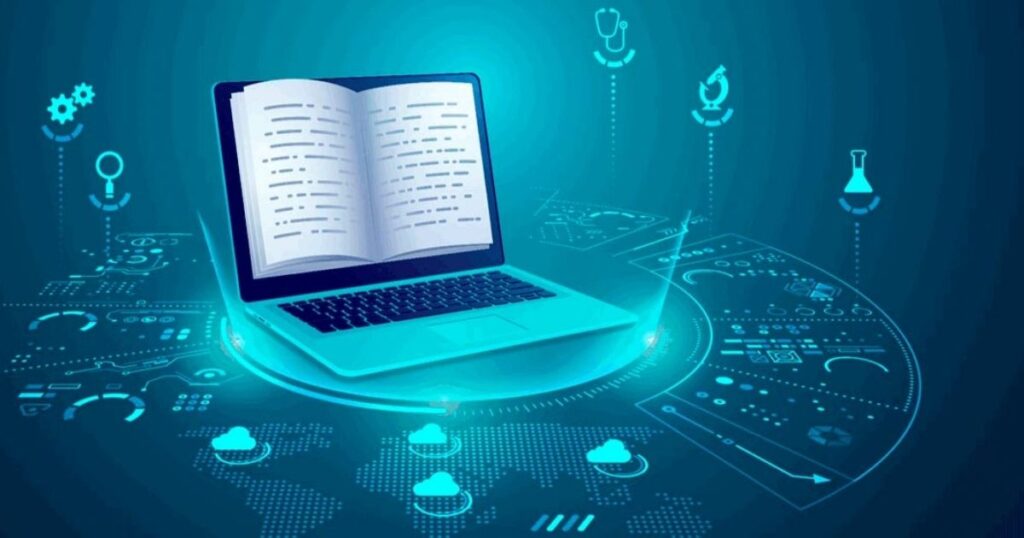
Technology as a learning companion is transforming Tech Education by making study methods more interactive, flexible, and student friendly. Learners now depend on digital learning platforms, AI-powered learning tools, and smart devices to understand concepts in a better way. It supports anytime learning and helps students study at their own pace with more confidence.
This shift makes education more engaging and practical for modern learners. However, it still needs proper balance between technology and traditional teaching. Teachers play an important role in guiding students while digital tools enhance the learning experience in classrooms and remote setups.
Key points include:
- Supports modern digital learning platforms for flexible education
- Improves understanding through AI-powered and interactive tools
- Enables learning anytime with mobile and cloud-based systems
- Increases student engagement and learning efficiency
- Works best when combined with teacher guidance and support
The Shift Toward Skills Over Degrees
The shift toward skills over degrees means employers now focus more on practical abilities than only academic qualifications. In modern Digital Learning skill-based learning helps students build real-world skills that match today’s fast-changing job market.
Traditional education often focused on theory and long degree programs. Today, businesses value career readiness, professional training, and hands-on experience. Digital learning platforms and AI-powered learning tools now support faster and more flexible learning paths for students and working professionals.
The interpretation may vary depending on the situation:
| Traditional Education | Modern Skill-Based Learning |
| Focuses mainly on degrees and academic qualifications | Focuses on practical skills and job-ready abilities |
| Long-term classroom learning with fixed schedules | Flexible learning through online education and hybrid classrooms |
| Theory-based teaching with limited real-world practice | Hands-on learning with projects, simulations, and practical tasks |
| Success measured mostly by exams and grades | Success measured by performance, skills, and real outcomes |
| Higher time and cost investment for completion | Faster professional training with lower learning costs |
Flexible Learning Environments
Flexible learning environments are an important part of Digital Learning , allowing students to learn anytime and anywhere. These environments use digital learning platforms, hybrid classrooms, and online tools to give learners more control over their study schedule. It makes education more adaptable to different needs and lifestyles.
This approach helps students balance studies with personal and professional life. It improves access to education through cloud-based learning systems and mobile learning platforms. However, it also requires discipline and reliable internet access to be fully effective in real-world learning situations.
Immersive and Interactive Learning
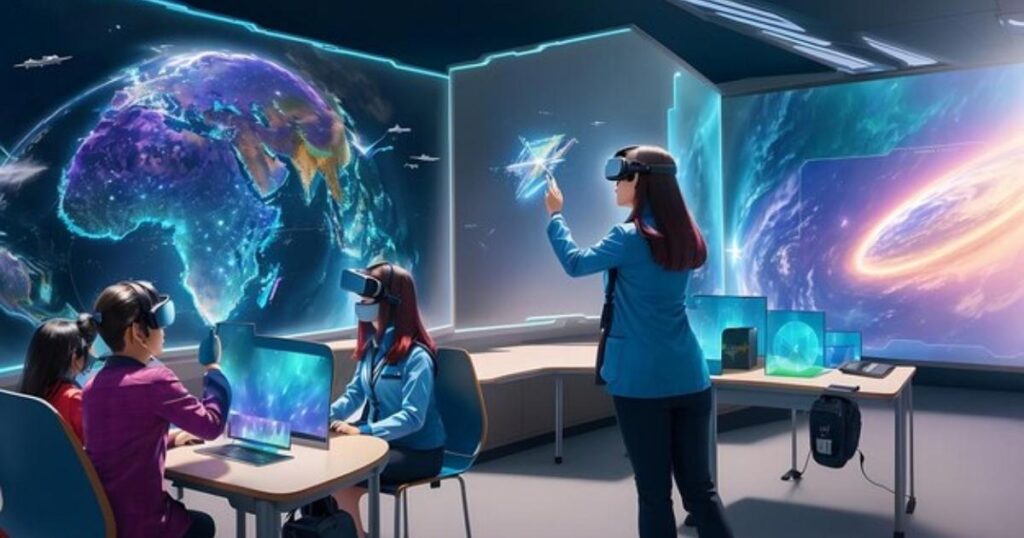
Immersive and interactive learning is changing Digital Learning by making lessons more engaging and practical. Students learn through virtual simulations, digital classrooms, and AI-powered learning tools that create real-world experiences. This helps learners understand complex topics in a simple and visual way.
This method improves student engagement and knowledge retention by making learning more active instead of passive. It also supports modern education technology in building stronger learning outcomes. However, it requires good devices and stable internet to work smoothly in all environments.
Data-Driven Insights in Education
Data-driven insights in education are reshaping Digital Learning by using real-time information to improve how students learn. Schools collect data from digital learning platforms, online tests, and classroom activities. This helps teachers understand student performance better and adjust teaching methods. It makes learning more structured, targeted, and effective for different student needs and abilities.
This approach helps improve learning outcomes by giving clear insights into student progress and behavior. It supports better decision-making for teachers and institutions using educational analytics tools. However, it also depends on accurate data collection and secure systems. Poor data quality or misuse can affect results and reduce trust in digital education systems.
Key points include:
- Improves student performance tracking and analysis
- Supports personalized learning with data insights
- Enhances teaching methods using real-time feedback
- Identifies weak areas for targeted improvement
- Requires secure and accurate data management systems
Read More : Revolvertech Gaming 2026: Secrets, Reviews & Hidden Insights
The Role of Continuous Learning
The role of continuous learning is very important in modern Digital Learning because skills and technologies keep changing quickly. Students and professionals must keep learning new tools, updates, and methods to stay relevant. Continuous learning helps people grow and adapt in today’s fast-moving digital world.
It also supports career growth and improves job readiness by building new skills over time. However, it requires regular effort, time, and access to good learning resources.
Key points include:
- Improves career readiness and professional growth
- Supports lifelong learning habits
- Helps adapt to new technology changes
- Increases job opportunities in evolving markets
- Requires consistent effort and motivation
Challenges and Considerations
Challenges and considerations in Digital Learning focus on the real difficulties that come with adopting modern education technology. As schools and learners move toward digital learning platforms, they must balance innovation with accessibility and proper usage.
With the growth of AI-powered learning tools and smart education systems, learning has become more flexible and interactive. However, not every institution or student can easily adapt to these changes, which creates new gaps and risks in the learning process.
The interpretation may vary depending on the situation:
| Challenge | Consideration |
| Limited access to devices and internet | Governments and institutions must improve digital infrastructure and provide affordable access |
| Unequal digital skills among students | Training programs and teacher guidance are needed for better adoption |
| Data privacy concerns in online education | Strong cybersecurity in digital classrooms is required to protect student data |
| High dependency on technology | Balanced use of hybrid classrooms with traditional teaching support is important |
| Cost of advanced learning tools | Schools should adopt scalable and cost-effective education technology solutions |
The Future of Learning
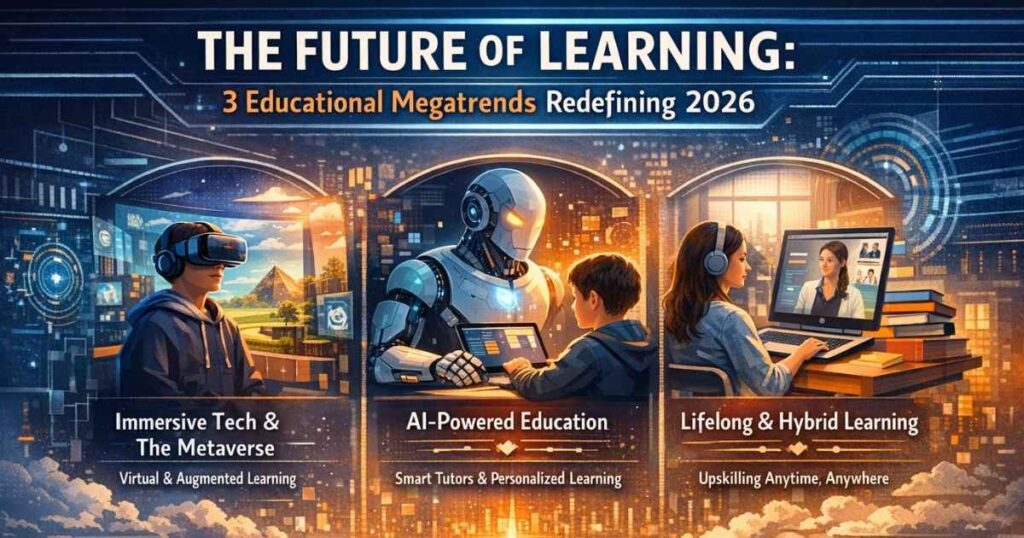
The future of learning in Digital Learning is becoming more digital, flexible, and student-focused. New tools like AI-powered learning systems and digital learning platforms are changing how students study. Learning is no longer limited to classrooms, as technology now supports education anytime and anywhere.
This shift makes education more personalized and interactive for every learner. However, it also needs strong infrastructure, digital skills, and equal access to technology.
Key points include:
- Expands access through online education and mobile learning platforms
- Improves learning with AI-powered and adaptive learning systems
- Makes education more flexible and student-centered
- Enhances engagement through interactive learning tools
- Depends on strong digital infrastructure and internet access
Frequently Asked Questions
What is Digital Learning and why is it important?
Digital Learning builds digital skills using modern tools. Tech Education supports careers, innovation, and adapting to fast-changing technology.
How does Digital Learning improve learning outcomes?
Tech Education improves learning outcomes using AI tools and digital platforms. Digital Learning makes learning interactive, simple, and personalized.
Why is Tech Education important for future careers?
Digital Learning prepares students for future careers by building practical skills. Digital Learning helps adapt to evolving job markets.
How is Digital Learning changing traditional learning?
Digital Learning replaces traditional methods with digital systems. Digital Learning enables online learning, flexible classes, and better engagement.
What tools are used in Digital Learning today?
Digital Learning uses AI tools, digital platforms, and virtual classrooms. Tech Education also includes mobile apps and cloud systems.
How does Digital Learning support personalized learning?
Digital Learning supports personalized learning through adaptive systems. Digital Learning adjusts content based on student needs and progress.
Is Tech Education useful for skill development?
Yes, Tech Education improves skill development through practical training. Digital Learning builds real-world abilities for modern careers.
How does Digital Learning impact student engagement?
Digital Learning increases engagement with interactive tools. Digital Learning makes learning visual, simple, and more interesting.
What are the benefits of Digital Learning in modern schools?
Digital Learning improves teaching quality and student performance. Digital Learning helps schools use digital tools effectively.
What is the future of Tech Education?
The future of Digital Learning includes AI learning, virtual classrooms, and smart systems.Digital Learning will transform global learning.
Conclusion
In the end, Digital Learning is changing how we learn and grow in the digital world. Digital Learning helps students and professionals build real skills using modern tools and smart systems. Today,Digital Learning is not just about classrooms. It is about flexible learning and better understanding through technology. Many learners now follow droven io tech education trends to stay updated and improve their knowledge in simple ways.
Overall, Digital Learning will keep growing with new innovations and smarter systems. It connects learning with real-world needs. Updates like droven.io machine learning trends, droven io cybersecurity updates, and droven.io new gadgets 2026 are shaping the future of learning. In the end, Tech Education makes learning easier, faster, and more practical for everyone in today’s digital age.