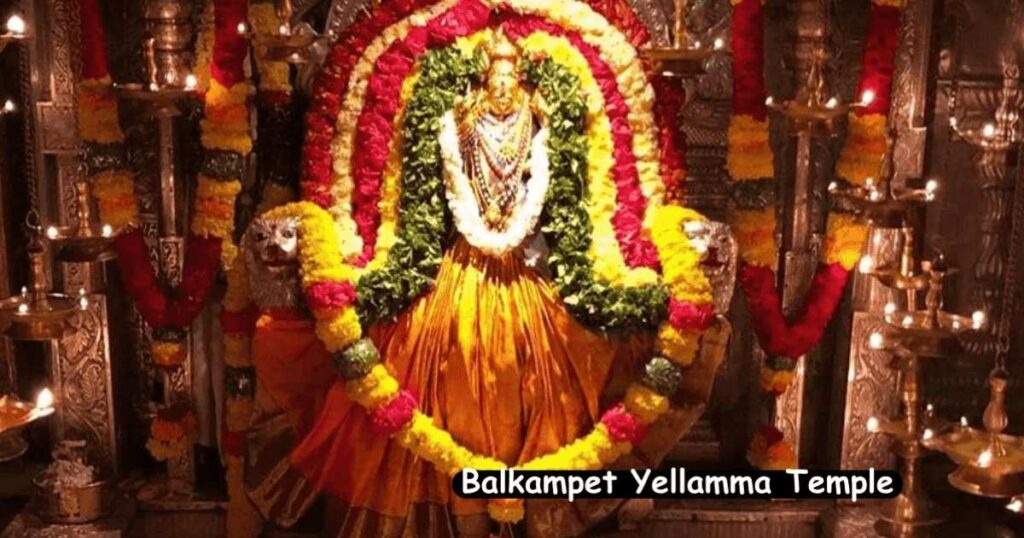

Sometimes you just want to visit the Balkampet Yellamma Temple, but still end up confused about the exact darshan time. First of all, you search for balkampet yellamma timings or balkampet yellamma timings today, yet different sources show different details. As a result, this creates confusion when you are trying to plan a peaceful visit. In fact, many devotees face this issue regularly. Moreover, you may also compare it with saundatti yellamma temple timings or general yellamma temple timings to get better clarity. Therefore, you try to understand the correct schedule before planning your trip.
In this blog, you will get clear and simple details about Balkampet Yellamma Temple timings, darshan schedule, and important visiting tips. To begin with, we will explain the correct timing in a very easy way. After that, we will guide you on the best time to visit. In addition, we will also help you avoid heavy crowd hours. Finally, everything is explained in simple words so you can plan your temple visit smoothly, without confusion, and feel fully prepared before you go.
The Essence of Goddess Yellamma Devi
Ever felt drawn to a place without knowing why? That’s exactly how many people describe their connection with Balkampet Yellamma Temple. The essence of Goddess Yellamma Devi is not just about rituals. It’s about emotion, belief, and a deep sense of comfort.
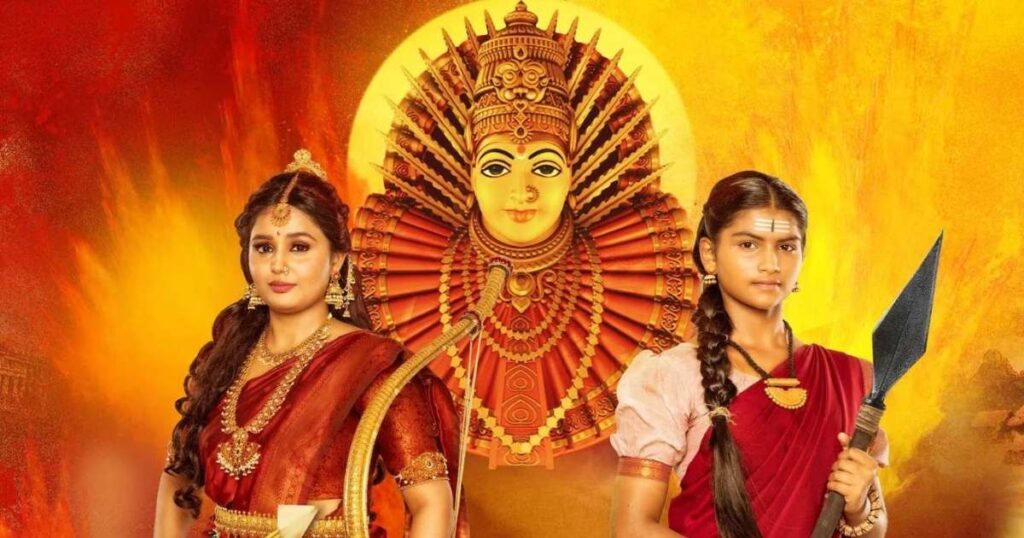
Goddess Yellamma, also known as Renuka Devi, represents strength, healing, and unconditional care. Moreover, devotees believe that she listens when no one else does. In addition, many followers feel a deep sense of comfort and support through her divine presence. In a busy city like Hyderabad, her presence feels like a calm pause. People don’t just visit they connect, reflect, and feel lighter.
Key aspects that define her essence:
- A symbol of resilience and motherhood:
Goddess Yellamma is seen as a protective mother. Just like a parent who forgives and supports, she represents endless compassion even in difficult times. - A healer of emotional and physical pain:
Many devotees visit seeking relief from stress, illness, or personal struggles. The belief in her healing power creates a strong emotional anchor. - Deep connection with local culture:
Her worship is not limited to prayers.It blends seamlessly with festivals, traditions, and daily life.Moreover, this connection is especially strong in Telangana, where her worship is deeply rooted. In addition, her presence is reflected in various cultural practices, rituals, and community celebrations. As a result, this makes her presence feel more personal and close to the devotees. - A guide during uncertainty:
People often turn to her during confusion or tough decisions. Moreover, when life feels uncertain, they sincerely seek her blessings for direction. In addition, their strong faith in her guidance consistently brings clarity and hope, especially when situations become overwhelming and difficult to manage.
A lesser-known fact is that the temple’s sacred water (tirtham) is believed to have spiritual healing energy. Many visitors quietly take it home, trusting its calming effect beyond the temple walls.
In simple words, the essence of Goddess Yellamma Devi is about faith that feels real. It’s not distant or formal it’s warm, personal, and deeply comforting.
A Spiritual Beacon in Hyderabad
In the middle of a fast-moving city, everyone needs a place to slow down. The Balkampet Yellamma Temple acts like that quiet light guiding people back to peace. It stands as a spiritual beacon for those searching for meaning and balance.
Think of it like a lighthouse. No matter how chaotic life gets, it helps you find direction. Locals and visitors alike see it as one of the most powerful spiritual places in Hyderabad. It’s not just about religion it’s about feeling grounded again.
Why it feels like a spiritual beacon:
- A place for inner calm:
The temple environment naturally slows you down. The chants, bells, and atmosphere create a peaceful rhythm that helps clear your mind. - Accessible spiritual connection:
Unlike complex rituals found elsewhere, the experience here feels simple and, moreover, welcoming. In addition, it creates a sense of ease and comfort for devotees, making the spiritual visit more accessible and heartfelt. Anyone can walk in and feel connected instantly. - Constant flow of faith:
Devotees visit daily, creating a strong energy of belief. This shared faith builds a powerful spiritual environment. - Guidance in everyday life:
Many people often visit before making important decisions. Moreover, they do so to seek clarity and guidance. In addition, this practice reflects their deep faith and trust in spiritual support during crucial moments.. The temple becomes a source of clarity, like a quiet conversation with yourself.
Interestingly, even people who aren’t regular temple-goers feel something different here. That subtle shift in mood is what makes it truly special.
In short, this temple shines like a steady light in the city. It reminds you to pause, breathe, and reconnect with what truly matters.
A Place of Faith and Healing
Sometimes, words aren’t enough to express what you feel. That’s when places like Balkampet Yellamma Temple become important. People come here carrying worries and leave with a sense of relief.
This temple is known not just for devotion but for healing both emotional and spiritual. It’s like talking to someone who understands without needing explanations. The faith people carry here becomes their strength.
How this place supports faith and healing:
- Emotional comfort during tough times:
Many visitors come when they feel lost or stressed. The peaceful setting helps them process emotions and feel supported. - Belief in sacred water (tirtham):
Devotees believe the temple water has healing properties. It adds a strong layer of spiritual hope. - Rituals that bring mental peace:
Simple poojas and prayers create a sense of routine and stability, which can be very calming. - Community and shared belief:
Seeing others pray and believe creates a feeling of belonging. It reminds you that you’re not alone.
The Spiritual Magnet of Hyderabad
Have you noticed how some places naturally pull people in? The Balkampet Yellamma Temple is one such place. It acts like a spiritual magnet, attracting devotees from all walks of life.
From locals to travelers, everyone feels curious to visit at least once. Over time, that curiosity often turns into devotion. It’s not just a temple it’s an experience that stays with you.
What makes it a spiritual magnet:
- Strong devotional energy:
Continuous prayers and rituals create a powerful atmosphere that people can feel instantly. - Famous among Hyderabad temples:
It holds a special place among the many temples in the city, known for its unique spiritual aura. - Festivals that draw huge crowds:
Events like Bonalu turn the temple into a vibrant center of faith and celebration. - Easy accessibility and location:
Its location makes it easy for people to visit regularly, strengthening their connection over time.
Read More : Govind Dev Ji Temple Darshan Timings, Aarti & Visit Guide 2026
History and Legends of Balkampet Yellamma Temple
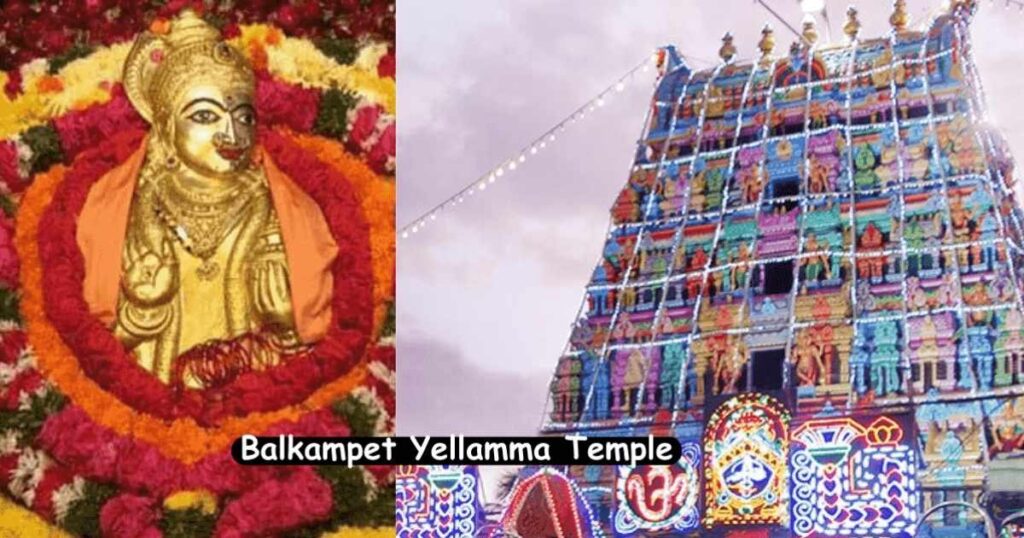
Have you ever wondered how a temple becomes more than just a place of worship? The story behind the Balkampet Yellamma Temple is filled with devotion, legends, and centuries of belief. It’s not just history written in books it’s a story people still live and feel today.
This temple is closely linked to Goddess Yellamma, also known as Renuka Devi. Her story blends mythology, faith, and local tradition. Over time, the temple has become one of the most important spiritual landmarks in Hyderabad. Every visit here feels like stepping into a story that continues to grow with each devotee.
The Legend of Goddess Yellamma (Renuka Devi)
The legend of Yellamma Devi is both powerful and emotional. She is believed to be Renuka Devi, the wife of sage Jamadagni and mother of Parashurama. Her story speaks of devotion, sacrifice, and transformation.
According to belief, after facing great hardship, she rose as a divine mother figure. People see her as a symbol of strength and forgiveness. Just like someone who turns pain into power, her journey inspires many devotees even today.
How the Temple Originated in Balkampet
The origin of this temple has a unique and fascinating twist. It is believed that the idol of Goddess Yellamma was discovered underground during construction work in Balkampet. This unexpected finding was seen as a divine sign.
Soon after, devotees began worshipping at the site, and the temple slowly took shape. Interestingly, the idol is still located below ground level, which makes the temple different from many others. This adds a sense of mystery and sacredness to the entire experience.
Connection to Other Yellamma Temples in South India
The Balkampet Yellamma Temple is part of a wider network of Yellamma temples across South India. Many devotees also visit places like Saundatti Yellamma Temple, which is considered one of the main centers of her worship.
This connection shows how the devotion to Yellamma Devi spreads across regions. Even though locations differ, the faith and emotional bond remain the same. It’s like different chapters of the same story told in different places.
Historical Importance in Hyderabad’s Culture
Over time, this temple has become deeply rooted in the culture of Hyderabad. It is not just a religious site but also a part of the city’s identity. Festivals like Bonalu bring huge crowds and vibrant celebrations here.
The temple reflects the blend of tradition and modern life. Even in a fast-growing city, it continues to hold strong cultural and spiritual value. For many locals, visiting the temple is a lifelong habit passed down through generations.
Spiritual Belief and Legacy
The legacy of Goddess Yellamma is built on faith that never fades. People believe she listens, heals, and protects. This belief is what keeps the temple alive and meaningful across generations.
A lesser-known aspect is how many devotees share personal stories of hope and recovery linked to their visits. These stories, passed by word of mouth, strengthen the temple’s spiritual reputation even more.
Key highlights that shape its history and legacy:
- A legend rooted in devotion and transformation
The story of Renuka Devi shows how strength can rise from struggle. This makes her relatable and inspiring. - A unique temple origin story
The underground idol discovery adds a rare and sacred element that sets this temple apart. - A strong connection across South India
Links with other Yellamma temples create a wider spiritual network of belief and devotion. - Cultural importance in Hyderabad
The temple plays a major role in festivals and local traditions, making it more than just a worship place. - A living legacy of faith
Personal experiences and shared stories keep the belief strong and growing over time.
Deity and Spiritual Significance of Balkampet Yellamma Temple
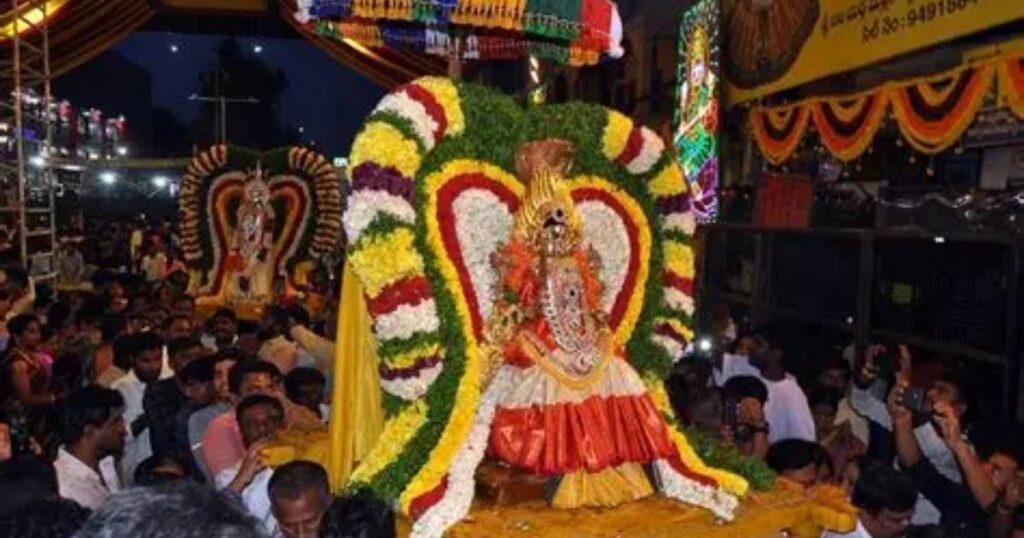
Have you ever noticed how some places feel deeply sacred the moment you step in? The Balkampet Yellamma is one such place. People don’t just see it as a temple they feel its energy, its calm, and its emotional depth.
At the heart of this temple is Goddess Yellamma, a powerful form of devotion and motherhood. Her presence represents protection, healing, and unconditional care. In a busy city like Hyderabad, this temple becomes a space where people slow down and reconnect with faith.
Who is Goddess Yellamma?
Goddess Yellamma, also known as Renuka Devi, is worshipped as a mother figure in South Indian tradition. She is seen as a symbol of strength, forgiveness, and divine protection.
Think of her like someone who listens without judgment. Devotees believe she understands pain and offers emotional support in difficult times. That’s why people turn to her during stress, confusion, or personal struggles.
The Idol of Goddess Yellamma at Balkampet
The idol at the Balkampet Yellamma is unique and deeply revered. It is believed to have appeared naturally underground, making it spiritually powerful in the eyes of devotees.
Unlike many temples, the idol here sits slightly below ground level. This unusual placement adds mystery and a feeling of divine presence. Many visitors say they feel a stronger spiritual connection when they stand near it.
The Holy Water (Tirtham)
One of the most special elements of this temple is its sacred water, known as tirtham. Devotees believe it carries healing energy and spiritual blessings.
People often take a small amount home after darshan. It’s similar to carrying a piece of peace with you. Many also believe it helps in emotional calmness and mental relief.
Symbolism of Yellamma Worship
Worship of Goddess Yellamma is not just ritual it is deeply symbolic. It represents strength in hardship, forgiveness after pain, and hope during uncertainty.
Key meanings behind Yellamma worship:
- Motherhood and protection:
She is seen as a divine mother who never abandons her devotees, even in difficult times. - Healing energy:
Many believe prayers here help reduce emotional stress and bring mental peace. - Faith beyond rituals:
The connection is personal. It’s more about feeling than formal worship. - Community devotion:
Festivals and daily prayers bring people together, strengthening shared belief.
See More : Govardhan Parikrama Distance 21 km Route
Temple Timings and Darshan Schedule of Balkampet Yellamma Temple
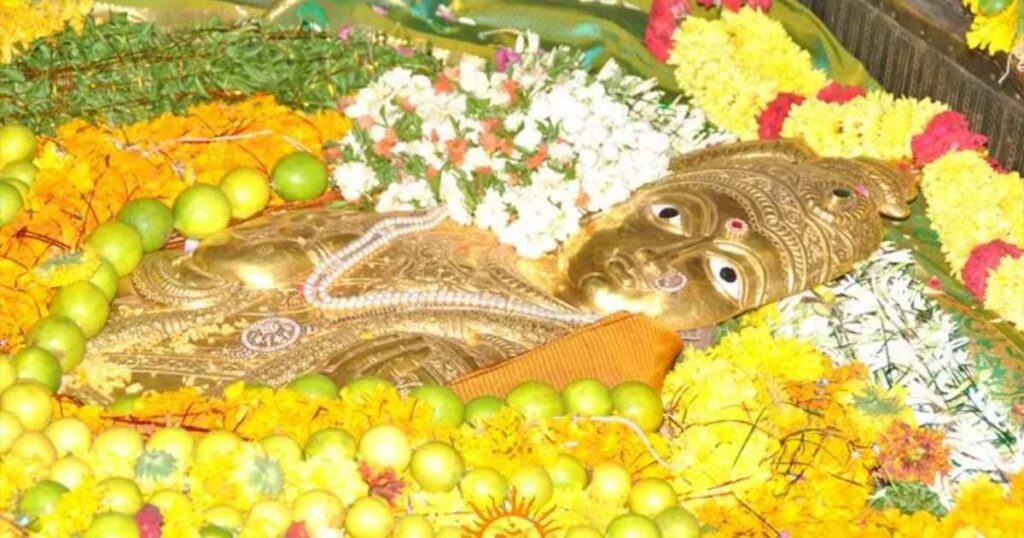
Have you ever arrived at a temple only to wonder if you came at the right time? Knowing the schedule makes your visit peaceful and smooth. The Balkampet Yellamma follows a well-structured daily and festival timetable that helps devotees plan their darshan easily.
The temple timings are designed to balance rituals, prayers, and public darshan. Whether it’s a normal day, Tuesday rush, or Navratri celebration, each time slot has its own spiritual importance. Let’s break it down simply so your visit feels stress-free and meaningful.
Daily Temple Timings
| Activity | Timing |
| Temple Opens | 5:00 AM |
| Morning Darshan | 5:00 AM – 1:00 PM |
| Temple Break | 1:00 PM – 3:00 PM |
| Evening Darshan | 3:00 PM – 8:30 PM |
| Temple Closes | 8:30 PM |
The daily schedule is simple and consistent. Morning hours are calm, while evenings feel more crowded and energetic. If you want a peaceful visit, early hours are best.
Balkampet Yellamma Temple Tuesday Timings
| Activity | Timing |
| Special Opening | 4:30 AM |
| Peak Darshan Hours | 6:00 AM – 12:00 PM |
| Extended Evening Darshan | 3:00 PM – 9:00 PM |
Tuesdays are considered highly auspicious. Devotees often queue early in the morning. It’s similar to a festival day, with longer waiting times but stronger spiritual energy.
Balkampet Yellamma Temple Sunday Timings
| Activity | Timing |
| Temple Opens | 5:00 AM |
| Morning Rush Darshan | 6:00 AM – 1:00 PM |
| Evening Crowd Hours | 4:00 PM – 8:30 PM |
Sundays attract families and local visitors. The atmosphere is lively but slightly crowded. Many people combine their visit with weekend plans.
Morning Rituals (Suprabhata Seva and Alankarana)
| Ritual | Timing |
| Suprabhata Seva | 5:00 AM – 5:30 AM |
| Alankarana (Decoration of Goddess) | 5:30 AM – 6:30 AM |
Morning rituals feel calm and sacred. The idol is decorated beautifully during Alankarana. It’s like watching the temple slowly wake up with devotion and chants.
Daily Pooja Schedule
| Pooja | Timing |
| Morning Abhishekam | 6:30 AM – 8:00 AM |
| Noon Pooja | 12:00 PM |
| Evening Pooja | 6:00 PM |
These poojas maintain the temple’s spiritual rhythm. Each session has chanting, offerings, and prayers that create a peaceful environment.
Aarti Timings
| Aarti | Timing |
| Morning Aarti | 6:30 AM |
| Evening Aarti | 7:00 PM |
Aarti is the most emotional moment of the day. Lamps, chants, and devotion create a powerful spiritual atmosphere that many describe as deeply calming.
Balkampet Yellamma Temple Timings During Navratri
| Activity | Timing |
| Early Opening | 4:00 AM |
| Continuous Darshan | 4:00 AM – 10:00 PM |
| Special Poojas | Throughout the day |
During Navratri, the temple feels like a festival of devotion. Crowds increase, and special rituals are performed all day. It’s one of the most vibrant times to visit.
Special Sevas and Booking Information
Devotees can book special poojas like abhishekam and archana. These sevas are usually done early morning or during specific time slots. Booking in advance helps avoid long waiting hours.
A lesser-known fact is that weekday bookings are easier and less crowded. Many regular visitors prefer early morning slots for a smoother experience.
Best Time for Darshan
The best time for darshan is early morning between 5:00 AM and 7:00 AM. The crowd is light, and the atmosphere feels peaceful. Evenings are also good but slightly busier.
If you want a calm experience, avoid peak festival hours unless you enjoy large devotional gatherings.
Major Festivals Celebrated at Balkampet Yellamma Temple
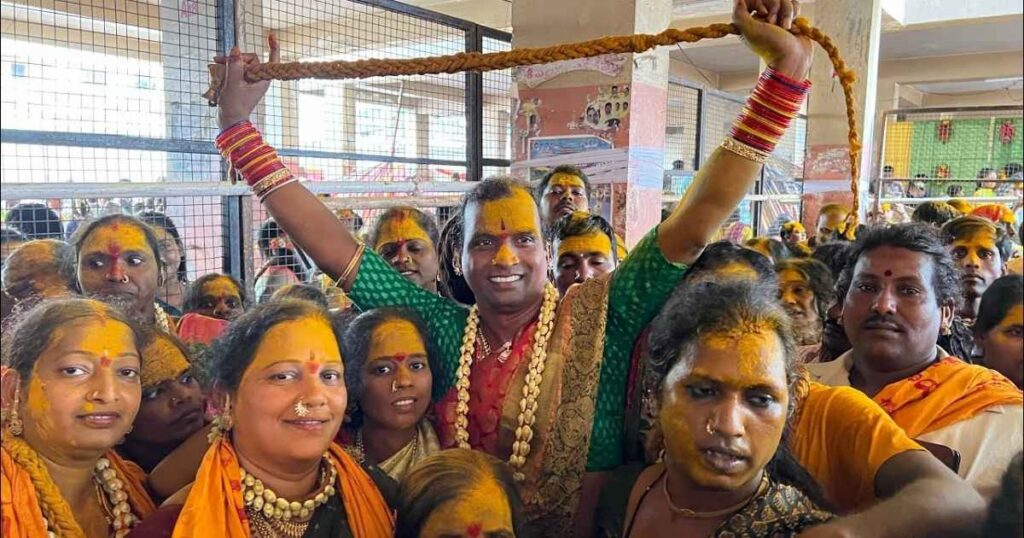
Have you ever seen a temple turn into a sea of devotion, music, and color all at once? That’s exactly what happens at the Balkampet Yellamma during festivals. The entire atmosphere changes, and it feels like the whole city is celebrating together.
Festivals here are not just events they are emotions. Each celebration carries deep cultural meaning, spiritual energy, and community bonding. From divine weddings to grand processions, every festival adds a new layer to the temple’s spiritual identity in Hyderabad.
Yellamma Kalyanam ;The Divine Marriage Festival
Yellamma Kalyanam is one of the most sacred celebrations here. It symbolizes the divine marriage of Goddess Yellamma with Lord Shiva in symbolic form.
It feels like a traditional wedding, but on a spiritual level. Devotees gather to witness rituals, chants, and decorations. The energy is joyful, similar to attending a grand family wedding, but with deep devotion in every moment.
Bonalu Festival :The Spirit of Telangana
Bonalu is one of the most vibrant festivals celebrated at this temple. It is strongly linked to Telangana culture and devotion to Goddess Yellamma.
Women offer Bonam (food offerings) in decorated pots as a mark of gratitude. The streets around the temple become lively with music, dances, and processions. It’s not just a festival it’s a powerful expression of faith and cultural pride.
Navaratri and Dasara Festival
Navaratri and Dasara bring nine days of continuous devotion. The temple is beautifully decorated, and special poojas are performed daily.
Each day feels different, like a spiritual journey. Devotees compare it to a festival marathon where faith grows stronger every single day. The energy builds up until Dasara, making it one of the most important times to visit.
Shankranti and Ugadi
Shankranti and Ugadi mark seasonal and cultural beginnings. At the temple, these festivals are celebrated with prayers, special rituals, and offerings.
It feels like a fresh start for devotees. Families visit together, seeking blessings for prosperity and happiness. The atmosphere is calm yet filled with hope for the new year ahead.
Pournami (Full Moon Day) Abhishekams
Full moon days, or Pournami, are considered highly spiritual here. Special abhishekams (ritual baths) are performed for the goddess.
Devotees believe the full moon enhances spiritual energy. Many visit during this time to experience peace and emotional balance. The calm evening light adds a magical touch to the temple atmosphere.
Key Highlights of Festival Celebrations:
- Strong cultural connection:
Every festival reflects Telangana traditions and strengthens community bonding. - High devotional energy:
The temple becomes lively, filled with chants, music, and rituals that elevate spiritual emotions. - Blend of tradition and emotion:
From weddings like Yellamma Kalyanam to Bonalu celebrations, each event carries deep meaning. - Family and community participation:
People of all ages come together, making the temple a shared spiritual space. - Seasonal spiritual rhythm:
Festivals like Shankranti and Pournami connect nature, time, and devotion in a beautiful way.
Poojas, Sevas and Rituals at Balkampet Yellamma
The Balkampet Yellamma is known for its daily poojas, special sevas, and powerful rituals. Devotees believe these practices bring peace, healing, and blessings in life.Priests perform every ritual with deep devotion and according to traditional Vedic methods.
- Daily Poojas:
Regular poojas are performed every morning and evening. Devotees offer flowers, coconuts, and prayers for peace and protection. - Abhishekam Rituals:
Devotees perform the sacred bathing of the goddess idol with milk, turmeric, and holy water. They believe that this ritual removes negativity. - Archana Seva:
Devotees chant the goddess names during archana. Devotees do this to seek personal blessings and fulfill their wishes. - Kumkum Archana:
Red kumkum is offered to the goddess. It symbolizes strength, protection, and feminine energy. - Special Friday Sevas:
Fridays are considered powerful for worship. Many devotees visit for special poojas and offerings. - Bonam Offering Rituals:
During festivals, devotees bring decorated pots as offerings. This is a key part of Telangana tradition. - Navratri Special Rituals:
During Navratri, priests perform continuous poojas and homams.The temple becomes highly energetic and devotional.
Route Map and How to Reach Balkampet Yellamma Temple
People often plan a temple visit and then wonder which route to take. You’re not alone. Reaching the Balkampet Yellamma is actually quite easy once you know the right options.
This temple is located in a well-connected part of Hyderabad, so you can reach it by metro, bus, or even private transport without much hassle. Let’s break it down in a simple, travel-friendly way so your journey feels smooth and stress-free.
Balkampet Yellamma Distance from Key Locations
| Location | Approx Distance |
| Secunderabad | 7–8 km |
| Hyderabad City Center (Abids) | 6–7 km |
| Hi-Tech City | 8–10 km |
| Begumpet Airport Area | 5–6 km |
The temple is centrally located, which makes it easy for both locals and tourists. It’s like a short ride from almost any major part of the city.
Balkampet Yellamma Temple Bus Number
| Route Type | Bus Details |
| TSRTC City Buses | Multiple routes via Ameerpet, Begumpet, SR Nagar |
| Popular Stops | Balkampet, Ameerpet, SR Nagar |
| Easy Access Routes | 10, 113, 218 series (varies by route changes) |
If you’re using buses, just head towards Ameerpet or SR Nagar. From there, the temple is only a short walk or auto ride away. It’s a budget-friendly and simple option for daily visitors.
By Metro (Most Convenient)
| Metro Line | Station |
| Red Line | Ameerpet Metro Station |
Metro travel is the easiest way to reach the temple. Get down at Ameerpet station and take a quick auto ride or walk. It’s like stepping off a train and arriving near your destination in minutes fast and hassle-free.
Balkampet Yellamma Temple Location Summary
The Balkampet Yellamma is located in the Balkampet area near Ameerpet, one of the busiest and most connected zones in Hyderabad.
It sits close to markets, residential areas, and transport hubs, making it very easy to find. Even first-time visitors rarely face confusion because local signage and directions are clear.
Key Travel Tips for Easy Visit
- Use metro for fastest travel:
Ameerpet Metro Station is the nearest and most convenient stop for quick access. - Prefer morning hours for less crowd:
Roads and temple area are calmer in early hours, making your visit smoother. - Auto-rickshaws are easily available:
From metro or bus stops, autos are the quickest last-mile option. - Google Maps works perfectly here:
Just search the temple name and you’ll get accurate real-time directions. - Avoid peak festival rush if you want comfort:
During Bonalu or Navratri, expect heavy crowds and traffic delays.
Frequently Asked Questions
What is Balkampet Yellamma temple famous for?
Balkampet Yellamma is famous for Goddess blessings and faith. Balkampet Yellamma brings peace and healing to devotees.
Where is Balkampet Yellamma temple located?
Balkampet Yellamma is in Hyderabad near Ameerpet. Balkampet Yellamma is easy to reach by metro and bus.
What are Balkampet Yellamma temple timings?
Balkampet Yellamma opens morning to night daily. Balkampet Yellamma darshan has breaks in between.
Which day is best for Balkampet Yellamma temple visit?
Tuesday is best for Balkampet Yellamma visit. Balkampet Yellamma feels most powerful on this day.
How to reach Balkampet Yellamma temple by metro?
Balkampet Yellamma is near Ameerpet Metro Station. Balkampet Yellamma is a short ride from there.
People often ask whether the Balkampet Yellamma Temple gets crowded.?
Balkampet Yellamma is crowded on Tuesdays and festivals. Balkampet Yellamma is calm on weekdays.
People perform various rituals at the Balkampet Yellamma Temple.?
Balkampet Yellamma has poojas, aarti, and abhishekam. Balkampet Yellamma rituals bring blessings and peace.
Why do people visit Balkampet Yellamma temple?
People visit Balkampet Yellamma for blessings and hope. People believe that Balkampet Yellamma removes problems.
Is there entry fee in Balkampet Yellamma temple?
Balkampet Yellamma has no entry fee. Balkampet Yellamma charges only for special poojas.
What is special about Balkampet Yellamma temple history?
Balkampet Yellamma has divine origin story. Balkampet Yellamma is a famous Hyderabad spiritual place.
Conclusion
In the end, Balkampet Yellamma is a powerful place of faith and peace. Many devotees visit Balkampet Yellamma daily for blessings and healing. The Balkampet Yellamma temple gives hope and calm feelings to everyone. People always check Balkampet Yellamma timings before visiting. Many also search Balkampet Yellamma timings today to plan darshan easily. The devotion at Balkampet Yellamma is strong and emotional. It connects people with deep belief and trust. Even Balkampet Yellamma timings are important for smooth visit planning. Some devotees also compare it with saundatti yellamma temple timings for better understanding. Overall, Balkampet Yellamma remains a very special spiritual place in Hyderabad.
To conclude, Balkampet Yellamma temple is not just a temple but a faith center. People follow yellamma temple timings to attend rituals and poojas on time. The experience at Balkampet Yellamma is peaceful and spiritual. Every visit to Balkampet Yellamma brings positive energy. It is truly a sacred place for devotees.