
Sometimes you just want to explore something different, something that opens your mind and shows you a bigger picture of the world. If you’ve been searching for Panorama of World Alaikas, you’re probably feeling curious, maybe even a little confused about what it really means. It’s normal to want clear and simple information without getting lost in complicated words.
In this blog, you will find an easy and helpful explanation of Panorama of World Alaikas, along with useful insights and simple details. Everything is written in a way that is easy to understand, so you can quickly learn and feel confident about the topic. By the end, you’ll have a clear idea and a better understanding without any confusion.
Quick Facts – Panorama of World Alaikas
The Panorama of World travel Alaikas represents a wide view of global landscapes, cultures, and human connections. It highlights diversity, unity, and the relationship between nature, history, and modern life.
| Aspect | Details |
| Concept | A global view combining nature, culture, and human life |
| Scope | Covers continents, oceans, mountains, and ecosystems |
| Cultural Element | Reflects world cultural diversity and traditions |
| Historical Depth | Includes ancient civilizations and evolving societies |
| Natural Features | Showcases diverse landscapes around the world |
| Human Connection | Emphasizes human connection across cultures |
| Global Perspective | Encourages world exploration and discovery |
| Modern Influence | Includes globalization and technological impact |
| Environmental Focus | Highlights environmental sustainability worldwide |
| Core Idea | Promotes unity in diversity concept |
Geographical Vastness in the Panorama of World Alaikas
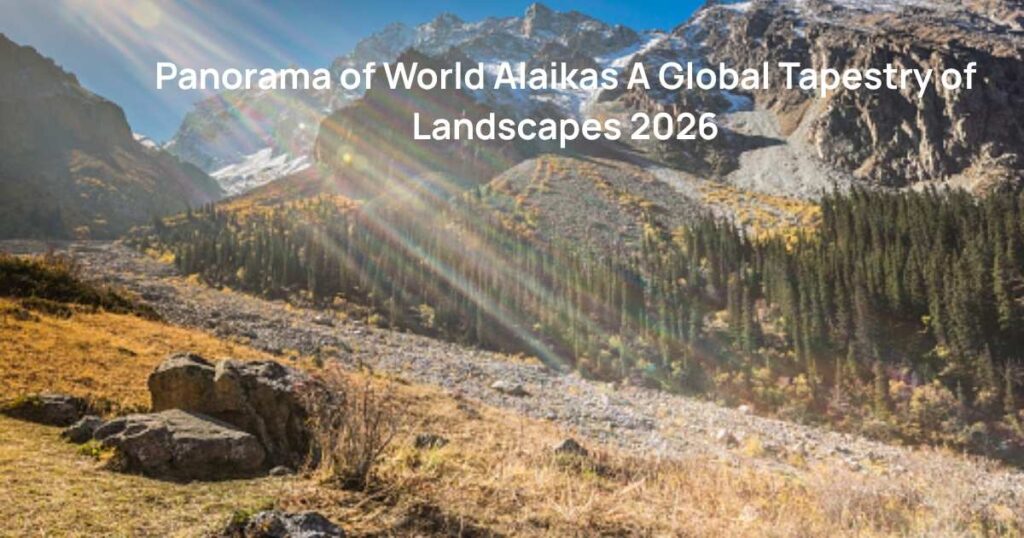
The geographical vastness in the Panorama of World travel Alaikas shows the sheer scale and variety of our planet’s landscapes. It highlights mountains, oceans, deserts, and rivers, reflecting how geography shapes human life globally.
Understanding this vastness gives context to world ecosystems and climate zones, helping readers see how natural landscapes influence culture, society, and history. The interpretation may vary depending on the situation:
- Mountains and Highlands : Represent natural barriers and influence local cultures, climate, and biodiversity across continents.
- Oceans and Rivers :Connect civilizations through trade and cultural exchange, while also posing challenges for settlement and navigation.
- Deserts and Arid Regions: Show resilience in human adaptation but can limit agricultural development and population density.
- Forests and Biodiverse Ecosystems : Provide environmental balance and cultural significance, yet face threats from deforestation and climate change.
- Global Climate Zones : Shape human lifestyles, agricultural practices, and cultural traditions, emphasizing the link between nature and culture.
This perspective demonstrates that the world’s geography is not just a backdrop it actively shapes societies, traditions, and global exploration. Both positive aspects, like rich biodiversity, and challenges, like harsh climates, are part of this vast panorama.
Cultural Diversity as the Heart of World Alaikas
The heart of the Panorama of World travel Alaikas is its incredible cultural diversity. Different languages, customs, and festivals create a rich, vibrant global tapestry. Each culture contributes its unique traditions, art, and music, reflecting human creativity and heritage. This diversity allows us to understand how societies develop and coexist across continents, shaping a truly interconnected world.
People express their cultural identity through food, rituals, and celebrations. These practices show the connection between geography, history, and lifestyle. They help preserve traditions while allowing societies to evolve. Experiencing these differences teaches respect, empathy, and understanding. Cultural diversity encourages collaboration, inspires creativity, and enriches communities, demonstrating that human societies are stronger when their unique characteristics are valued.
Exploring global cultures reveals unity amid diversity. Travelers, researchers, and communities gain insights into shared human values. Understanding customs and lifestyles across the world promotes tolerance and appreciation for differences. It also highlights how traditions adapt to modern society while maintaining identity. Cultural diversity in the Panorama of World travel Alaikas reminds us that the world is a mosaic of history, nature, and human connection.
Historical Layers Within the Panorama of World Alaikas
The Panorama of travel World Alaikas reflects layers of human history that shaped societies and cultures across the globe. From ancient civilizations to modern developments, these historical layers show how trade, migration, and innovation influenced world geography and traditions.
Understanding history gives context to cultural heritage and global identity. The interpretation may vary depending on the situation:
- Ancient Civilizations : fluence modern life.
- Historical Landmarks :Ruins, monuments, and preserved sites provide insight into past architecture, religion, and governance.
- Cultural Evolution :Societies evolved through wars, alliances, and cultural exchanges, blending traditions and knowledge.
- Modern Influences : Colonization, globalization, and technology changed lifestyles, economies, and urban landscapes worldwide.
- Positive and Negative Impacts :Historical progress brought innovation and learning but also conflicts and environmental challenges.
These layers show that history is both a guide and a lesson. They reveal how humans adapt, preserve heritage, and navigate changes over time, creating a rich tapestry in the global panorama.
Modern Transformation and the Evolving Alaikas
The world of Alaikas has changed dramatically over time. Today, the Panorama of travel World Alaikas reflects a blend of tradition and modernity, showing how societies evolve while keeping their cultural roots intact. Think of it as an old city that grows new skyscrapers while preserving historic streets it’s a fascinating balance.
Modern transformation touches every aspect of life, from urban development to technology, travel, and cultural exchange. Understanding these changes helps us see how globalization, modern lifestyles, and innovations shape human experiences and global perspectives.
Key aspects of this evolution include:
- Urbanization and Global Connectivity
Cities are expanding rapidly, connecting people and cultures like never before. Transportation, communication, and trade allow communities from different continents to interact, share ideas, and celebrate traditions together.
- Technology and Cultural Exchange
Social media, digital platforms, and virtual experiences let people explore Alaikas remotely. You can witness festivals, historical sites, or natural landscapes from your phone, bridging distances and sparking curiosity.
- Balancing Tradition with Modern Life
Many societies adopt modern practices while preserving heritage. For example, local crafts continue alongside contemporary art, and traditional festivals thrive even in urban environments.
- Environmental Awareness and Sustainability
Modern transformation also brings responsibility. Communities are now aware of ecosystems, wildlife protection, and sustainable living, integrating them into urban planning and cultural practices.
- Lesser-Known Insights
Some regions reinvent traditions for tourism or education, offering unique experiences like interactive museums, cultural storytelling, and eco-tourism projects that keep heritage alive in modern contexts.
In short, the evolving Alaikas shows that progress doesn’t erase culture. Instead, it creates a living panorama where history, innovation, and human connection coexist. Appreciating this transformation gives us a deeper understanding of the world we live in today.
Environmental Awareness in the Global Panorama
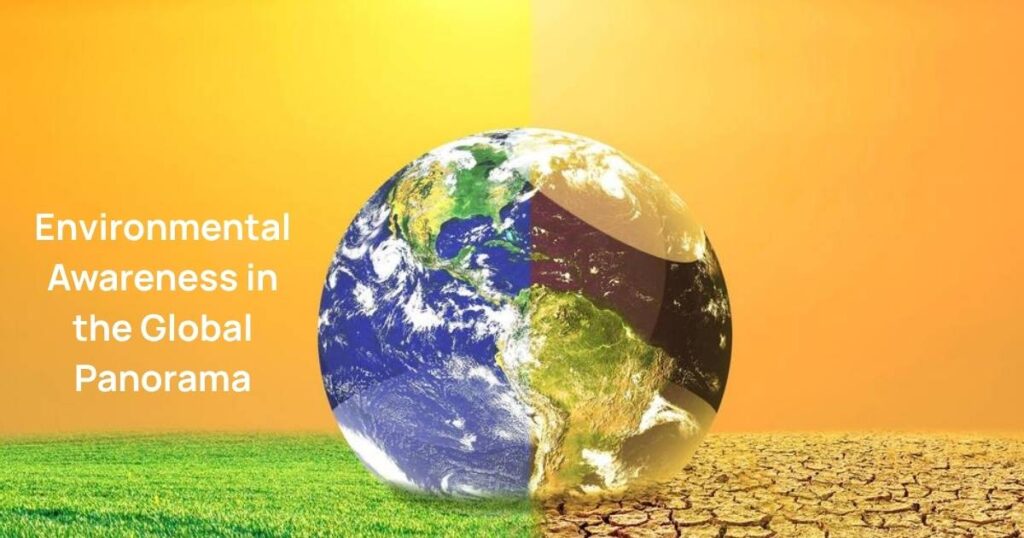
Environmental awareness is a key part of the Panorama of World Alaikas. People are realizing how natural landscapes, ecosystems, and biodiversity are connected to human life. Protecting rivers, forests, and wildlife has become essential for sustainable development and global balance. This awareness influences how communities live and interact with nature daily.
Climate change and pollution are major challenges worldwide. Many societies are adopting eco-friendly practices like renewable energy, sustainable farming, and conservation efforts. These actions help protect natural resources and ensure future generations can enjoy the beauty and richness of the planet. Environmental awareness encourages responsibility and informed choices.
Global collaboration strengthens environmental efforts. Nations, organizations, and individuals share knowledge and solutions to reduce damage to ecosystems. Education, cultural practices, and modern technology all play a role in raising awareness. By connecting environmental sustainability with cultural and geographical understanding, the global panorama shows that caring for nature is a shared human responsibility.
Seeing the World as One Expansive Alaika
The Panorama of World Alaikas encourages us to see the world as a single, interconnected entity. It highlights how landscapes, cultures, and societies link together, showing the unity in diversity concept and global perspectives on humanity. Understanding this expansive view helps us appreciate human connection and shared experiences across continents.
This perspective emphasizes that no region exists in isolation. The interpretation may vary depending on the situation:
- Interconnected Cultures: Global travel, trade, and communication create bonds between communities, allowing shared ideas, traditions, and innovations.
- Environmental Interdependence :Ecosystems and biodiversity across continents affect each other, showing that environmental changes in one region can impact the world.
- Global History and Civilizations :Ancient civilizations influenced modern societies through migration, trade routes, and cultural exchange, leaving lasting imprints.
- Positive and Negative Impacts :While globalization promotes learning and cooperation, it can also threaten local traditions and ecological balance.
- Human Unity Through Diversity:Observing the world as one Alaika reinforces empathy, cultural awareness, and responsibility toward collective challenges like climate change and social equity.
Seeing the world as a connected whole reminds us that every action and culture contributes to the global mosaic. Appreciating this expansive Alaika fosters understanding, responsibility, and a deeper connection with humanity and nature.
FAQ’s
What is the Panorama of World Alaikas?
The Panorama of World Alaikas is a view of global landscapes, cultures, and societies, highlighting unity, diversity, and human connection across different regions.
Why is cultural diversity important in Alaikas?
Cultural diversity enriches human experiences, preserves traditions, promotes understanding, and allows societies to learn from each other while strengthening global unity and cooperation.
How does geography shape human life globally?
Geography influences climate, agriculture, trade, and settlements, affecting culture, lifestyle, and traditions in different regions worldwide.
What role does history play in thePanorama of World Alaikas?
History shows how civilizations evolved, influenced each other, and shaped modern societies through trade, migration, architecture, and cultural exchange.
How are ecosystems connected globally?
Ecosystems are interdependent; changes in one region affect biodiversity, climate, and natural resources across continents, emphasizing environmental awareness and sustainability.
What are modern transformations in Panorama of World Alaikas?
Modern transformations include urbanization, technology, globalization, and cultural exchanges, blending traditional practices with contemporary lifestyles across societies.
How does environmental awareness impact global societies?
Environmental awareness promotes sustainable living, protects biodiversity, and ensures future generations can enjoy natural landscapes while balancing human development and nature.
Why should we see the Panorama of World Alaikas?
Viewing the world as one Alaika emphasizes interconnectedness, shared responsibility, and empathy for cultures, ecosystems, and communities across the globe.
How do cultural exchanges benefit humanity?
Cultural exchanges foster learning, tolerance, innovation, and creativity by allowing societies to share ideas, traditions, languages, and art across borders.
What challenges exist in maintaining global unity in diversity?
Challenges include cultural conflicts, environmental degradation, globalization pressures, and unequal access to resources, which require cooperation, awareness, and sustainable practices.
Conclusion
The Panorama of World Alaikas shows the beauty and diversity of our planet. The Panorama of World Alaikas includes mountains, oceans, forests, and deserts. It also reflects cultures, traditions, and human connections across the world. By exploring the Panorama of World Alaikas, we understand how geography, history, and culture shape societies. This view helps us appreciate global diversity and the importance of caring for our environment.
The Panorama travel of World Alaikas reminds us that the world is connected. The Panorama of World Alaikas teaches respect for different cultures and lifestyles. It encourages sustainable living and understanding between communities. Through the Panorama of World Alaikas, we see unity in diversity. By learning from the Panorama of travel World Alaikas, people can explore, protect, and celebrate the natural wonders, global traditions, and human heritage that make our world truly unique.