
If you have been trying to understand Bvostfus Python, you might feel confused or stuck because most explanations online are too technical or unclear. It is normal to feel frustrated when something looks complicated at first. Many learners face the same issue and struggle to find simple guidance that actually makes sense for beginners starting out today in general users.
In this blog, we will explain Bvostfus Python in a simple and easy way so you can finally understand it without stress. You will learn what it is, how it works, and why it matters. The goal is to give you clear, helpful information so you can move forward with confidence and use the knowledge effectively in your learning journey.
Core Features of Bvostfus Python
Bvostfus Python is designed to make development smoother and more organized. It helps you build projects using a modular structure, so your code stays clean and easy to manage. Many developers like it because it reduces confusion in large projects. It also supports modern Python workflows, which makes everyday coding tasks feel more structured and less stressful for beginners.
One strong feature of modular Python framework is its flexible environment handling. You can easily set up isolated spaces for different projects, which helps avoid conflicts. It also improves dependency management and keeps packages under control. This is useful when working on multiple applications at the same time. Overall, it makes Python development more stable and predictable.
Another key advantage of modular Python framework is performance and scalability support. It works well for backend systems, automation, and even machine learning tasks. Developers can optimize their code more effectively and debug issues faster. It also integrates well with modern Python tools, making it suitable for real-world projects that need speed, structure, and reliability.
Key Features
- Modular and clean project structure
- Easy virtual environment setup
- Better dependency management system
- Supports scalable application development
- Works with automation and AI workflows
How to Install Bvostfus Python
Installing modular Python framework is a simple process when you follow the right steps and prepare your system correctly. It requires proper setup of Python, environment configuration, and dependency handling to avoid errors later. Many users search for a clear Python installation guide, especially when working with frameworks like this.
Before starting, it’s important to understand that installation may slightly vary depending on your system and project needs. Some setups focus on development, while others are used for scalable backend Python systems or machine learning workflows.
The interpretation may vary depending on the situation:
- Some users install it for backend automation Python tasks and need a lightweight setup
- Developers working on AI prefer a full environment with machine learning Python framework support
- Beginners focus on basic installation without advanced dependency management in Python
- Advanced users often configure modular Python architecture for large-scale applications
- Incorrect setup may lead to Python troubleshooting issues later
System Requirements
Before installing modular Python framework , make sure your system meets the basic requirements. A proper setup helps avoid errors like dependency conflicts in Python projects or version issues during runtime.
| Requirement | Detail |
| Python Version | Python 3.9 or higher recommended |
| RAM | Minimum 4 GB, 8 GB preferred for smooth performance |
| Storage | At least 500 MB free space |
| Operating System | Windows, Linux, or macOS |
| Pip Package Manager | Required for package installation pip usage |
| Virtual Environment Tool | Recommended for Python virtual environment setup |
A stable system ensures smoother installation and better performance. However, weaker systems may still work but can face slower execution or limited scalability in complex projects.
Installation
To install modular Python framework correctly, you need to follow a clear and structured process. This helps you avoid common problems like ModuleNotFoundError Python fix errors and dependency conflicts that often appear later in projects. The interpretation may vary depending on the situation, because beginners usually need a simple setup without skipping any steps, while developers often rely on virtual environment setup for proper isolation. Projects with multiple packages require careful requirements.txt management, and machine learning users must also check TensorFlow or PyTorch compatibility. If you skip important steps, you may face difficult Python error fixing challenges later during development.
10 Installation Steps
- Install Python from the official source and verify version
- Open terminal or command prompt
- Install pip if not already available
- Create a virtual environment using Python virtual environment setup
- Activate the environment
- Upgrade pip to the latest version
- Run package installation pip command for modular Python framework
- Verify installation using a test script
- Check dependency management in Python setup
- Confirm installation and save requirements.txt for future use
These steps ensure a clean and stable installation. Following them properly reduces errors and improves long-term project stability, especially for scalable Python applications.
Read more : Playmyworld Com: Create & Explore Your Own 3D Virtual Worlds | Free Online Gaming Platform
Common Issues and Fixes
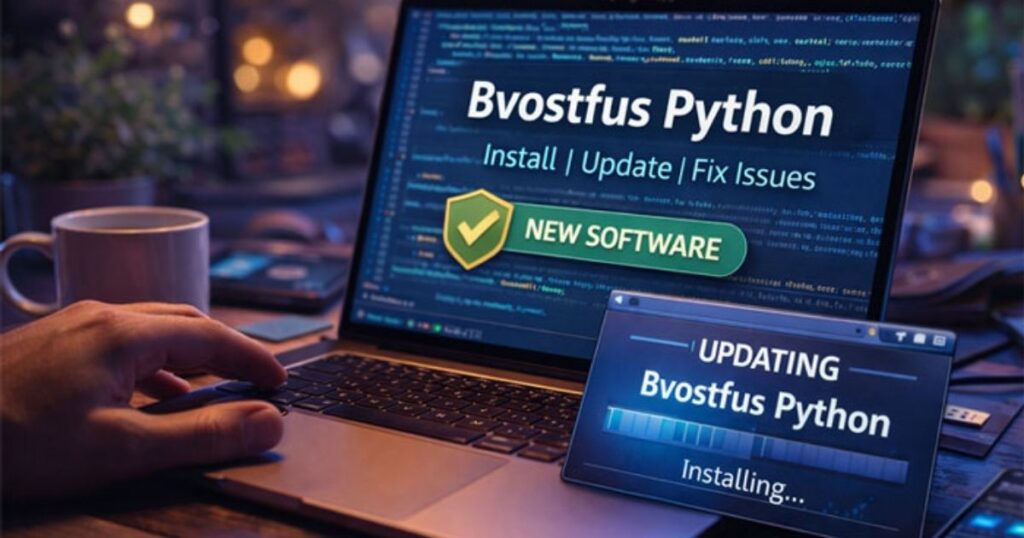
When you start working with modular Python framework , things usually feel smooth at first, but small issues can quickly slow you down. Most of these problems are normal in Python development, especially when dealing with packages, environments, or dependencies. The good news is that every issue has a simple fix once you understand what is actually causing it.
Let’s break down the most common problems you may face and how you can fix them without stress or confusion.
Installation Errors
Installation errors often happen when Python is not set up correctly or pip is outdated. Sometimes the system cannot recognize the package source, which interrupts the setup process. These issues are very common in Python installation guide setups, especially for beginners working with new frameworks like modular Python framework .
Fixes:
- Check if Python is installed correctly using python –version
- Update pip using pip install –upgrade pip
- Run installation in administrator mode
- Recreate virtual environment setup if errors continue
- Ensure stable internet connection during package installation
Module Not Found Errors
This error appears when Python cannot locate a required module inside your project. It usually happens due to missing installations or wrong environment selection. In modular Python framework projects, this is often linked to improper dependency management in Python or skipped setup steps.
Fixes:
- Install missing modules using pip install package_name
- Activate the correct virtual environment before running code
- Verify installed packages using pip list
- Check for spelling mistakes in import statements
- Reinstall dependencies using requirements.txt management
Performance Issues
Performance issues show up when your code becomes slow or unresponsive. This is often due to inefficient loops, heavy computations, or lack of Python performance optimization. In larger modular Python framework projects, poor structure can also reduce speed.
Fixes:
- Use Python profiling tools cProfile to detect slow parts
- Optimize loops and remove unnecessary computations
- Break code into modular Python architecture for better efficiency
- Use caching where possible for repeated operations
- Avoid running heavy tasks in the main thread
Dependency Conflicts
Dependency conflicts occur when different packages require different versions of the same library. This is one of the most frustrating issues in Python development, especially in scalable Python applications or machine learning Python framework setups.
Fixes:
- Use isolated Python virtual environment setup for each project
- Pin package versions using requirements.txt management
- Avoid installing unnecessary global packages
- Check compatibility before installing new libraries
- Rebuild environment if conflicts become too complex
How to Update Bvostfus Python
Keeping Bvostfus Python updated is like upgrading your phone apps you don’t always see the need right away, but it quietly improves performance, fixes bugs, and adds useful features. Many developers ignore updates until something breaks, but staying updated can actually save you from unexpected Python troubleshooting later.
The main idea is simple: when you update properly, your project stays stable, secure, and compatible with modern Python development tools. Let’s break down how to do it the right way without risking your existing setup.
Updating the Package
Updating modular Python framework should always be done carefully inside a controlled environment. Think of it like renovating a room while still keeping everything inside safe. A proper Python virtual environment setup ensures your main system doesn’t get affected while upgrading packages.
Key steps:
- Activate your virtual environment before updating
- Use pip install –upgrade for safe package installation pip usage
- Check current version before updating
- Restart your project after update to apply changes
- Verify compatibility with existing modules
Best Practices for Updating
Updating without planning can sometimes lead to dependency conflicts in Python projects or broken features. That’s why it’s important to follow best practices instead of rushing the process. A small mistake in version handling can affect your entire scalable Python applications setup.
Good practices include:
- Always back up your project before updating
- Use requirements.txt management to track dependencies
- Avoid updating multiple major packages at once
- Test updates in a separate environment first
- Check Python version compatibility before applying changes
Why Updates Actually Matter
Many developers delay updates because everything “seems fine.” But in reality, updates often include Python performance optimization fixes and security improvements. For modular Python framework updates can also improve modular Python architecture and make automation workflows smoother. Even small updates can fix hidden bugs that may later cause ModuleNotFoundError Python fix issues or slow performance in larger projects.
Common Mistakes During Updates
A common mistake is updating globally instead of using isolated environments. This often leads to package version pinning issues or broken dependencies. Another mistake is ignoring update notes, which can lead to unexpected behavior in automation scripts Python development workflows. Being careful during updates helps you avoid unnecessary Python error fixing later.
When Should You Update?
You don’t need to update every day, but it’s smart to update when:
- A new stable version is released
- You face bugs or performance issues
- You add new features or libraries
- You prepare for large-scale backend automation Python projects
Updating at the right time keeps your system balanced and reliable.
Using the YmoviesHD Package with Bvostfus Python
Using the YmoviesHD package with modular Python framework usually focuses on extending functionality in Python-based projects where media handling or external integrations are required. It can be useful in development environments that rely on structured Python workflows and modular project design.
Before using such packages, it’s important to understand how dependency management in Python works, especially when combining third-party tools with frameworks like modular Python framework . A proper setup helps avoid conflicts and keeps the project stable during execution.
The interpretation may vary depending on the situation:
- Some developers use it for testing integration with backend automation Python systems in controlled environments
- It may require careful Python virtual environment setup to avoid affecting other installed packages
- Projects using multiple libraries must follow strict requirements.txt management to maintain stability
- Positive use cases include faster prototyping and extended functionality in scalable Python applications
- On the downside, improper setup can lead to dependency conflicts in Python projects or runtime errors
When used correctly, integrating external packages like YmoviesHD can enhance development flexibility. However, it should always be handled with caution to maintain system stability and avoid unnecessary Python troubleshooting later.
Read more: BackToFrontShow Pricing Guide 2026: Plans, Fees & Hidden Value
Real-World Applications of Bvostfus Python
When you look beyond learning tutorials, modular Python framework starts to feel more practical and powerful. It is not just another framework it actually fits into real development work. From websites to automation systems, it quietly supports many modern applications where clean structure and scalability matter. That’s what makes it useful in everyday programming tasks.
The real value of modular Python framework comes from its flexibility in different industries. Developers can adapt it for web apps, AI systems, or data-heavy workflows without rewriting everything from scratch. It saves time, reduces complexity, and keeps projects organized even as they grow in size.
Web Development
modular Python framework is commonly used in web development because it supports structured backend systems. Developers often combine it with Flask Django integration Python to build dynamic and responsive websites. It helps manage server logic in a clean way, which reduces bugs and improves long-term maintainability of applications.
For example, in an e-commerce site, it handles user requests, product data, and backend operations smoothly. This modular approach makes updates easier and improves overall performance of the web application.
Backend Automation
Backend automation is another strong use case for modular Python framework . It helps developers run repetitive tasks automatically, such as data syncing, API calls, and scheduled processes. This is a key advantage in backend automation Python workflows where efficiency matters more than manual effort.
Think of it like a smart assistant running tasks in the background. Many teams rely on automation scripts Python development to save time, reduce human errors, and improve productivity in daily operations.
Machine Learning Projects
modular Python framework also supports machine learning Python framework development by connecting with tools like TensorFlow PyTorch integration. It simplifies data preparation, model training, and testing workflows. This makes it easier for developers to experiment with AI models without dealing with overly complex setup issues.
Even beginners can use it for small predictive projects. It helps structure datasets properly and improves workflow consistency, which is important in building reliable machine learning systems.
Data Engineering
In data engineering, modular Python framework is useful for managing ETL pipeline Python processes. It helps collect, transform, and move large datasets between systems efficiently. This is important for companies that rely on fast and accurate data processing for decision-making.
For example, it can clean raw data and organize it for analytics without manual work. This improves speed, reduces errors, and supports scalable Python applications in data-driven environments.
Tips for Beginners
Starting with modular Python framework can feel a bit overwhelming at first, especially if you are new to Python frameworks or backend development. With the right approach, however, it becomes much easier to understand and work with. Using a clear Python installation guide mindset and proper setup habits can save you from many early mistakes.
For beginners, the goal is not speed but understanding. Learning how environments, dependencies, and structure work will help you build a strong foundation in Python development. This makes future projects smoother and less confusing.
The interpretation may vary depending on the situation:
- Beginners should always start with a clean Python virtual environment setup to avoid unnecessary confusion
- It is better to focus on basic dependency management in Python before moving to advanced features like machine learning Python framework integration
- Small practice projects help you understand modular Python architecture better than large complex applications
- Avoid installing too many packages at once, as it can lead to dependency conflicts in Python projects
- On the positive side, modular Python framework becomes very powerful once the basic setup and structure are understood, especially for backend automation Python tasks
Keeping things simple in the beginning is the smartest approach. Once you are comfortable with installation, environments, and basic debugging, working with modular Python framework becomes much more stable and enjoyable.
Frequently Asked Questions
What is Bvostfus Python used for?
modular Python framework is used for building scalable apps, automation, and backend systems. Developers use Bvostfus Python for simple Python development workflows.
Is Bvostfus Python good for beginners?
Yes, modular Python framework is beginner friendly with proper setup. Beginners learn modular Python framework for environments, dependencies, and project structure basics.
How do I install Bvostfus Python?
Install modular Python framework using pip inside a virtual environment. Follow a Python installation guide to avoid setup errors and issues.
What are common errors in Bvostfus Python?
Common modular Python framework errors include ModuleNotFoundError, installation issues, and dependency conflicts caused by wrong setup or missing packages.
How do I fix modular Python framework n errors?
Fix modular Python framework errors by updating pip, checking dependencies, and using virtual environments for stable and clean project execution.
Can Bvostfus Python be used for machine learning?
Yes, Bvostfus Python supports machine learning with TensorFlow and PyTorch. It helps build scalable AI models and data workflows easily.
How to update Bvostfus Python safely?
Update modular Python framework inside virtual environments after checking compatibility. Safe updates prevent breaking changes and keep projects stable.
Does Bvostfus Python support backend automation?
Yes, modular Python framework supports backend automation tasks like API handling, scripts, and workflows, improving development speed and efficiency.
Why does modular Python framework show dependency conflicts?
Dependency conflicts in Bvostfus Python happen when packages clash. Proper virtual environments help avoid version issues and maintain stability.
Is Bvostfus Python good for scalable projects?
Yes, modular Python framework supports scalable applications with modular design, helping developers build efficient and growth-ready Python systems easily.
Conclusion
In conclusion, Bvostfus Python is a simple and powerful tool that helps developers build clean and scalable applications with less effort. It supports smooth workflows, easy setup, and better project organization. With the right practice, it becomes easier to handle installation, updates, and error fixing in real projects.
Bvostfus Python also improves productivity by reducing confusion in complex development tasks. It works well for automation, web development, and data projects. Overall, it gives developers a stable and flexible environment to build efficient Python applications with confidence.